
"seven major"
1000 article(s) found

Guatemala Antigua Coffee Bean Flavor taste Manor area introduces boutique coffee beans
Coffee was really introduced into Guatemala in 1750 by Father Jesuit, and the coffee industry was developed by German colonists at the end of the 19th century. Today, most of the coffee industry's production takes place in the south of the country. There are seven major coffee producing areas in Guatemala, and the flavor of the coffee produced in each area is different, but to sum up, the coffee in Guatemala is all

Introduction of elegant, lively and sour Guatemalan coffee flavor and taste manor producing area
There are few places in the world that offer a variety of high-quality coffee beans, such as those produced in Guatemala. The excellent quality of Guatemalan coffee beans is due to the unique conditions of their producing areas, including different climate change in each region, rich soil formed by volcanoes, abundant natural water resources, high-altitude mountains and shady and moist forests. There are seven main coffees in Guatemala.
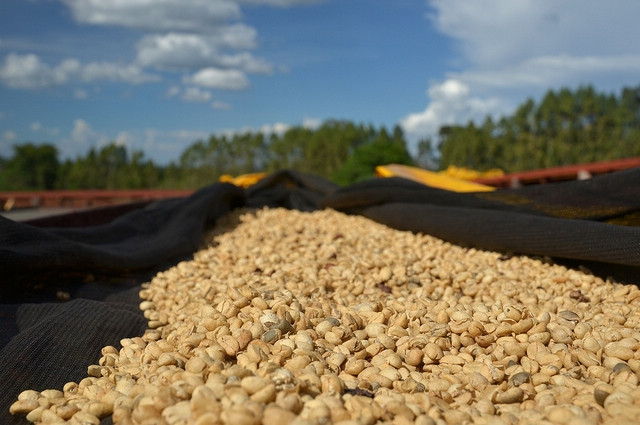
The coffee network recommends that Costa Rica's Tara Pearl Diamond Villa wash SHB Kaddura boutique coffee beans.
Costa Rican coffee plants were imported from Cuba in 1779 and exported for the first time in 1820. There are now about 32000 coffee farmers, with an average of less than 10000 yuan per farmer. Costa Rica has a population of 410 million (2006), an active coffee planting area of 82500 square meters, an annual output of 1.7 million bags (60kgs per bag), and an annual consumption of 38 million bags in China.

Flavor characteristics and planting conditions of black tea in seven producing areas of Ceylon and Sri Lanka
The wooden tea boxes of international trade will indicate the output, grade, batch, producing area and company. In a simple memory, Sri Lanka is mostly the raw material source of beverage tea, while the boutique producing areas recommend five major producing areas: UVA Uba Ruhuna Luhana Kandy Kangti Dimbula Tinbura Nuwara-Eliya Nuwara Elia and two relatively rare producing areas: Uda Pussellawa

Fragrant and full-bodied taste of Kenyan coffee the introduction of fine coffee beans in the manor producing area
Kenya is divided into seven provinces (PROVINCE) and one provincial special district (Nairobi province). The following provinces are divided into districts (DISTRICT), townships (DIVISION) and villages (LOCATION). Under the new constitution, the four-tier administrative structure will be changed to the central and county (COUNTY) levels. The 47 counties established under the new constitution will be officially operational after the 2013 general election. The seven provinces are: central Kenya

Guatemala Antigua Flower God Coffee Grind Characteristics Taste Variety Production Area Taste Introduction
There are few places in the world that offer the variety of quality coffee beans that Guatemala produces. Guatemala coffee beans are excellent because of the unique conditions of their origin, including different climatic changes in each region, rich volcanic soils, abundant natural water resources, high altitude mountains and shady and humid forests. Guatemala has seven major coffee

Reveal the benefits of drinking coffee to reduce the incidence of cancer
Diabetes is one of the major diseases that endanger the health of middle-aged and elderly people. There are as many as 7 million diabetes patients in Japan, and the number of potential patients is more than 20 million. In addition to exercise, diet, genetic and other influencing factors, studies in various countries have come to the same conclusion: coffee drinkers are less likely to suffer from glycosuria.

Introduction to the flavor characteristics of Guatemala Antigua coffee beans from several coffee producing areas in Guatemala
In Guatemala, there are seven major coffee producing areas, each producing different coffee flavors, but to sum up, Guatemalan coffee shows a mild and mellow overall texture, elegant aroma, and acidity similar to that of fruit acid, making it an aristocrat in coffee. Among them, AntiguaClassic in Antigua is highly recommended by coffee gluttons all over the world.

The flavor and taste of Rosa coffee and the introduction of the four major brands of Jadeite Manor
Following Cafe Review (official account vdailycom of Wechat) found that Beautiful Cafe opened a small shop of its own: Geisha was discovered in the rose forest of Ethiopia in 1931 and sent to the Coffee Research Institute in Kenya; it was introduced to Uganda and Tanzania in 1936, Costa Rica in 1953 and Panama from Dongba Seven Farmers in the 1970s.

Boutique Coffee Manor in America Royal Coffee from St. Roman processing Plant in Tarazu, Costa Rica
The best coffee in Costa Rica seems to come from small processing plants, spread across several major coffee producing areas, including Tarazu and the western valley. This so-called coffee revolution originated 15 years ago and has greatly changed the way bean baking experts and importers think about Costa Rican coffee. Take the processing plant as the center, collect coffee beans from the surrounding small farms for processing, most of these farms are small societies
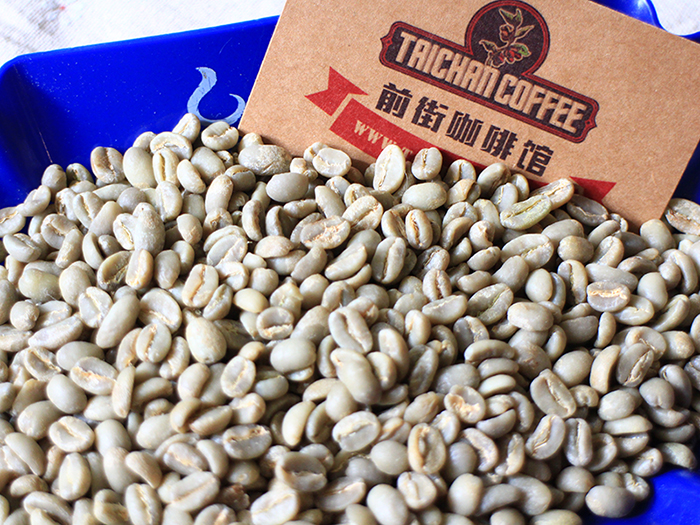
Costa Rica Coffee Green Beans Boutique Manor Grade Coffee Green Bean Wholesale Fresh Green Beans Unbaked Beans Price
Costa Rica's best coffee seems to come from small processing plants, spread over several major coffee growing regions, including Tara Pearl and Western Valley. The so-called coffee revolution, which began 15 years ago, has dramatically changed the way roasting experts and importers think about Costa Rican coffee. Centered in the processing plant, coffee beans are collected from small farms around the plant, most of which are small communities.

Coffee sharing Costa Rican Coffee Manor introduction to Fire Phoenix Manor Costa Rican Coffee style
The flavor of Costa Rica has always been steady, without the sharpness of Guatemala, it is quite mild and supple, sour, sweet and bitter chocolate, inclusive and well-balanced, is the classic flavor of gourmet coffee. The seven major coffee producing areas are as follows: Durieba Valley (northeast of the capital San Jose), Central Valley (northwest of San Jose), Western Valley (west of the capital), three

Costa Rica Tarazu St. Roman processing Plant Royal Coffee freshly roasted Black Coffee beans Super Grade
The best coffee in Costa Rica seems to come from small processing plants, spread across several major coffee producing areas, including Tarazu and the western valley. This so-called coffee revolution originated 15 years ago and has greatly changed the way bean baking experts and importers think about Costa Rican coffee. Take the processing plant as the center, collect coffee beans from the surrounding small farms for processing, most of these farms are small societies
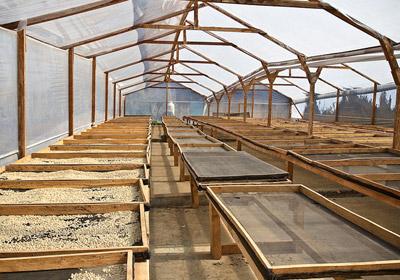
China Coffee Network recommends Royal Coffee Black Coffee from St. Roman processing Plant in Tarazu, Costa Rica.
The best coffee in Costa Rica seems to come from small processing plants, spread across several major coffee producing areas, including Tarazu and the western valley. This so-called coffee revolution originated 15 years ago and has greatly changed the way bean baking experts and importers think about Costa Rican coffee. Take the processing plant as the center, collect coffee beans from the surrounding small farms for processing, most of these farms are small societies

Costa Rica Diamond Hill Manor single Bean species, Brand recommendation and Manor introduction
For the exchange of professional baristas, please follow the coffee workshop (Wechat official account cafe_style) Costa Rica Diamond Hill Manor single bean varieties, brand recommendations and manor introduction are also mentioned on another website, most of the varieties grown here are Red Catuai, that is, a hybrid of Caturra and Mundo Novo. The granules of these raw beans are not large, about 15.

Introduction to Costa Rican Coffee Flavor at Lichu Manor in the Western Valley of Costa Rica
Professional coffee knowledge exchange more coffee bean information please follow the coffee workshop (Wechat official account cafe_style) Costa Rica has seven coffee products, of which Tarazu, the central valley and the western valley are the three best-known and best-quality producing areas. West valley, that is, the Western Valley, is one of the seven producing areas of Costa rica, known as Valle Occidental in Spanish. Western mountain

Coffee flavor and taste of Shumawa Coffee Manor in Costa Rica.
Professional coffee knowledge exchange more coffee bean information please follow the coffee workshop (Wechat official account cafe_style) Costa Rica's seven main coffee producing areas are distributed from northwest to southeast along with the inland central plateau. The fertile volcanic ash, mild and suitable temperature, and stable and abundant rainfall in Costa Rican volcanic terrain are all factors that make coffee a major agricultural product in Costa Rica.

Differences, distinctions and prizes of single beans at Diamond Hill Manor in Costa Rica
For the exchange of professional baristas, please pay attention to the coffee workshop (Wechat official account cafe_style) Costa Rica Diamond Hill Manor single bean differences, distinctions and awards Costa Rica coffee cultivation was introduced from Cuba in 1779 in 1820 before the first export of coffee, there are about 32000 coffee farmers, the average planting area per farmer is less than one hectare.

Know Central American Coffee-- introduction to El Salvador Coffee producing area
For more information on coffee beans, please follow the Coffee Workshop (Wechat official account cafe_style) Central America is a land bridge connecting North and South America. There are seven countries, namely, Belize, Costa Rica, El Salvador, Guatemala, Honduras, Nicaragua and Panama. Coffee is produced in seven Central American countries, including Guatemala, Costa Rica and Acer.

The smooth taste of Guatemalan coffee introduces the Latisa Manor in the coffee producing area of Guatemala.
Coffee was really introduced into Guatemala in 1750 by Father Jesuit, and the coffee industry was developed by German colonists at the end of the 19th century. Today, most of the coffee industry's production takes place in the south of the country. There are seven major coffee producing areas in Guatemala, and the flavor of the coffee produced in each area is different, but to sum up, the coffee in Guatemala is all